Greg Sestero Discusses ‘The Room’ Before IPH Double Feature
Sestero will host NC premiere of 'Big Shark' this weekend

What’s it like when your claim to fame was starring in a film widely beloved for being bad?
Greg Sestero is one of the rare people who can speak to that experience, having been the leading man in Tommy Wiseau’s 2003 film The Room, which over the last 22 years has garnered a cult following as one of the most bizarre movies to be released in the 21st century.
Sestero, who wrote The Disaster Artist about his experience shooting The Room, which was also made into a movie in 2017, will host double feature screenings of The Room and Wiseau’s new movie Big Shark on July 25 and 26. The events will include live script readings, a Q&A with Sestero, and meet and greets.
We spoke to Sestero in the lead-up to this weekend’s screenings to get his thoughts on what drives the popularity of The Room decades after its release.
“It’s just something you can’t put your finger on,” he said. “It’s a cultural phenomenon that I think we’ll be asking that question for decades to come. There’s generations of new people coming to screenings every time, seeing it for the first time and they leave the theater exhilarated.”
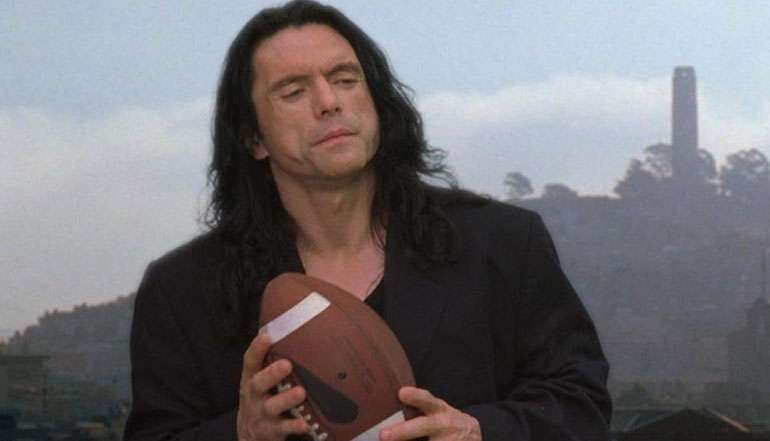
In case you haven’t been one of those to experience The Room in its 22 years of screenings, here’s the (spoiler-laden) plot of The Room as told by Ross Bonaime of Collider: The Room tells the story of Johnny (Wiseau), who seems to have it all: a successful job as a banker, a beautiful fiancé Lisa (Juliette Danielle), a great best friend in Mark (Sestero), a random college-aged ward by the name of Denny (Philip Haldiman), and a revolving door of friends and future family always stopping by his apartment. But Tommy’s perfect life isn’t so perfect after all. He doesn’t get the big job at the bank, Lisa is cheating on Johnny with Mark, rumors are flying that Johnny might have hit Lisa, and Denny is seemingly involved with local drug dealer Chris-R (Dan Janjigian) for a single scene. As the walls start to fall, Tommy learns about everyone’s betrayal, and after a bedroom destruction scene that seems to be a Citizen Kane reference, Tommy pleads to God “Why?,” before blowing his brains out (and soon after, somehow manages to hump Lisa’s sexy red dress). The Room, one of the most unusual films ever made, ends on a tragic note, as Lisa and Denny cry over Johnny’s dead body. THE END.
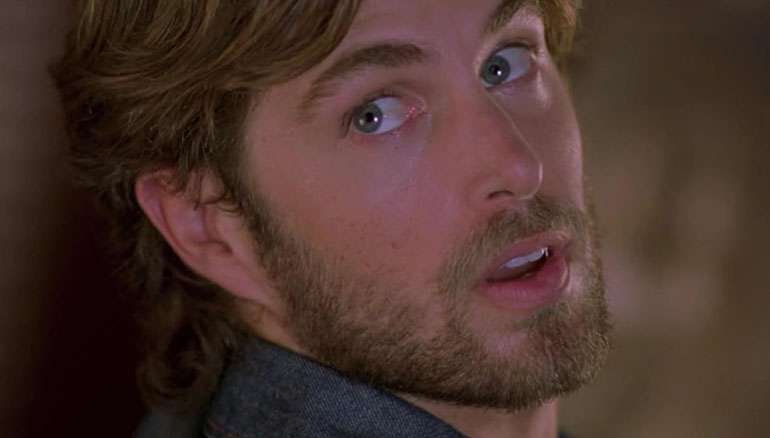
The Room wasn’t Sestero’s first Hollywood experience. His early TV and film roles included Nash Bridges, Patch Adams and Gattaca before he received the lead (and his first speaking role) in 1999’s Retro Puppet Master as a young Andre Toulon, the seventh in the series and a prequel to 1991’s Puppet Master III: Toulon’s Revenge.
Sestero says he still gets recognized for his role as Andre from folks who saw Retro Puppet Master as children and insists that the role inspired Wiseau to start making movies.
The two met in an acting class in 1998 and Wiseau promised to cast Sestero in his movie if he ever secured the funds to make it. Originally Sestero was only brought on to work behind the scenes, but Wiseau eventually asked him to replace the original actor who was playing Mark.
Sestero assumed no one would see The Room, thinking the direct-to-video release would be quickly forgotten. It was poorly reviewed by critics and did not fare well at the box office. It garnered a cult following relatively quickly, however, and by 2004 was already the subject of sold-out midnight showings.
Sestero rolled with the punches as the odd nature of the film attracted most fans to cringe-watch it. He started appearing at many of the events, embracing the weirdness of it all.
Wiseau was less excited about the attention, as he intended his film be viewed as a serious drama and not the comedy it was becoming. He eventually came around and claimed it was his intention all along, calling The Room “a dark comedy.”
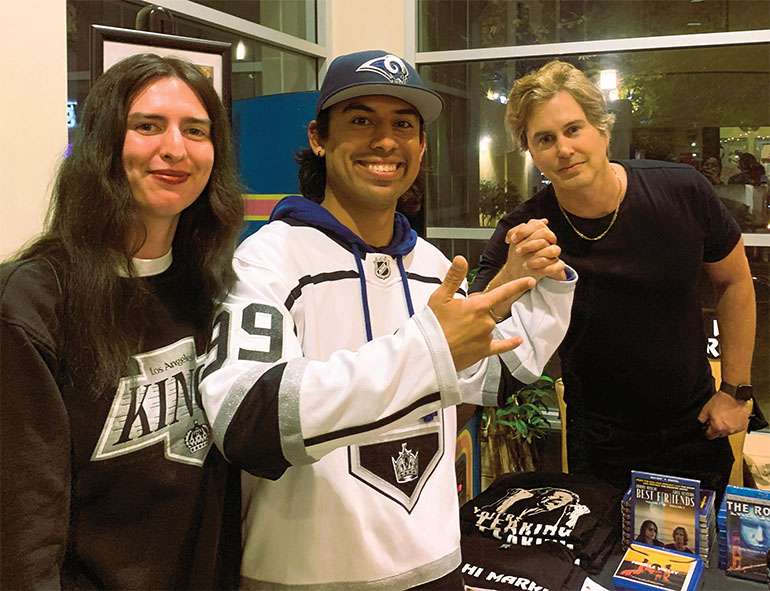
Due in part to its cult success, Sestero set out to write about his experience working on the film and his sometimes troubled friendship with Wiseau. He secured a deal with publisher Simon & Schuster in 2011 and co-wrote The Disaster Artist with journalist Tom Bissell.
The book released in 2013, sharing stories of how Wiseau disappeared for nine months only to return with a script of The Room, then went on to film two versions of every scene involving Mark because he doesn’t want to fire the original actor playing the role.
Sestero recalls that Wiseau was a little uneasy about the book at first.
“I got the idea to write the book, Tommy was the first person I told, and I interviewed him quite a bit throughout the book, along with a lot of the cast,” he said. “I think initially, you know, as I didn’t know what to expect from The Room, I think Tommy didn’t know what to expect from the book.”
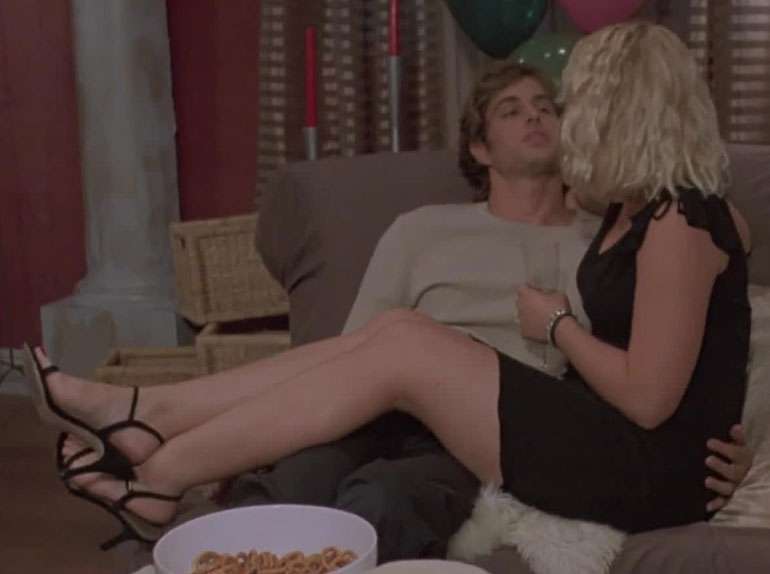
A couple weeks after the book’s release, Seth Rogen and James Franco contacted Sestero to tell him they were big fans of the book.
“Franco told Tommy how much he loved it. How cinematic he thought it was,” Sestero recalled. “I think that affected Tommy because he thought, okay, these actors that I really like, if they see something’s there and they like it, you know, I guess I’ll appreciate it and respect what it is.
“And I think, from that day on, he sort of rode with it,” he continued. “In a way, I think he saw my experience through this crazy ordeal of moving to Los Angeles, making The Room and our friendship.”
Keep movies weird
Growing up in the late nineties and early 2000s, I spent countless weekends watching episodes of Mystery Science Theater 3000, which highlighted bizarre films like Soul Taker, Merlin’s Shop of Mystical Wonders, Mitchell and Werewolf to name a few.
I had of course seen plenty of bad movies before discovering MST3K, but outside the lampooning the hosts would give each flick, I found myself enthralled with the movies the show would screen — obsessed even.
As the years progressed, I saw some of these campy movies hit the mainstream (Snakes on a Plane or Sharknado, for example) but the difference in The Room’s appeal is in Wiseau’s intent.
Your Sharknados of the world winked at the camera while true auteurs like Tommy Wiseau, Fred Olen Ray, Andy Sidaris, William Lustig or Larry Cohen provide windows into their souls through their work. There’s an authenticity you can feel when you turn on a movie made by these and while many of them understand the absurdity of their work, they’re rarely if ever parodying the genre they represent.
Queen City Nerve staff writer Pat Moran is familiar with the so-bad-it’s-good category of film, sometimes referred to as nanar.
In 1991, Moran wrote and starred in Vampire Trailer Park, in which a detective and a psychic investigate a series of murders at a trailer park and suspect that some of the residents are doing the killings (and they are vampires).
“Sometime in the early ‘90s Fred Olen Ray told me and my partner Steve Latshaw that, ‘No one ever sets out to make a bad movie,’” Moran recalled to me. “Wiseau’s reach exceeds his grasp, but at least he’s reaching, and I find that endearing.”
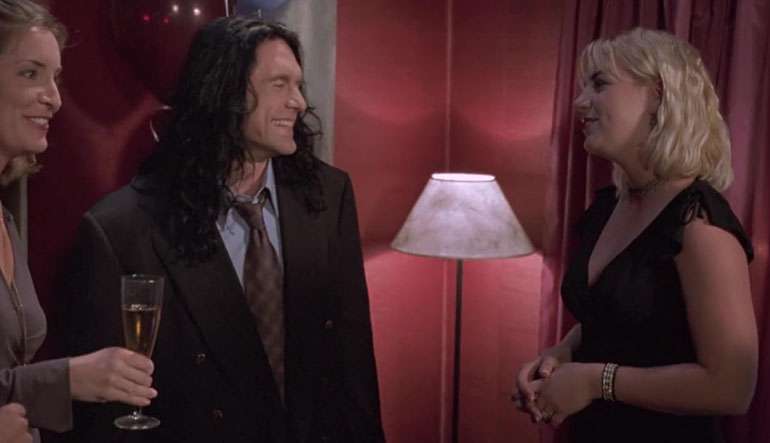
The Room is 100% Wiseau. Some of the choices in the movie can certainly be chalked up to amateurism in a first-time director, but that doesn’t explain certain others such as the framed pictures of spoons.
Where else in life can we get these true snapshots of a singular mind? Less often than we used to, for sure.
I hate to break into my “back in my day” bag, but outside of film you had pockets of these places in culture — whether it was a local restaurant, independent music venues, street vendors and quirky roadside landmarks. Versions of this still exist and should be cherished.
There’s a flattening of culture that happens when franchises and condominiums take over the landscape. I recall going to gift shops all over the country where I could pick up pieces specific to the region. What’s replaced that is a vibe that there’s one site where all gift shop items are ordered instead of local vendors and artists. Now when I travel it’s harder to tell what makes any specific area its own place. Every City, USA pushes that out in favor of symbols you recognize.
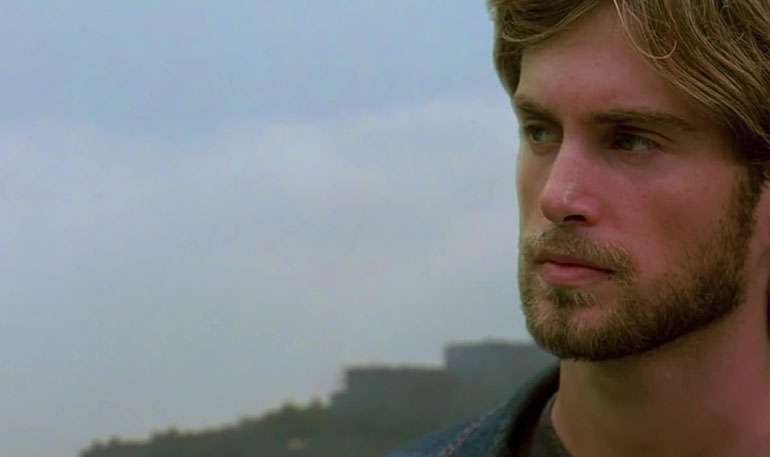
The same can be said in film. There’s a certain look, a filter that pushes everything into the center. The algorithm favors what has succeeded before, so we chase a known vibe hoping to capitalize on what hits. You see versions of the same Instagram post, singles that use the same beat that worked in the last hit song, and a recycled meme plastered over and over.
This is the sanding of the edges of what makes any one thing special.
That’s not to say Starbucks isn’t convenient and a pop song can’t be transcendent, but it’s important to take big swings outside of our comfort zones in order to create or experience great art.
As I spoke with Sestero, it was clear that he was driven by this same willingness to experiment.
“I had no idea what I was getting into,” he insisted of his experience with The Room. “It was, you know, sort of helping a friend, making this movie. I just had to learn as much as I could and soak up the experience … Movies are really hard, especially at that time, to get traction. So I really didn’t expect anything at all from The Room.”
I haven’t been able to screen Big Shark ahead of the upcoming double feature, but in an age where every moment is shared in trailers and online videos, it’s a refreshing thought knowing that I’ll experience it for the first time in a room full of fans.
Though Sestero didn’t star in the new film, he did make an appearance in a teaser trailer created to drum up interest and funds for the movie before an illness made it impossible for him to be in it.
“I happened to get sick and so it was just a situation where I couldn’t be there,” he recalled. “They had a tight window to make the film, so it was just one of those things. But, you know, I think it adds to the mystery of it, though. I think it’s cool that I’m in this concept trailer and then they gotta come see the movie just to find out if I’m actually in the film.
Read more: Sifting Through Meaninglessness and Grief with ‘The Monkey’
Sestero is looking forward to returning to IPH, where he screened The Room to mark the movie’s 20th anniversary in 2023.
“At this point, I love sharing the movies with a grateful audience and a great venue with good people who appreciate crazy cinema, and it’s just been a blast for the past couple of times,” he said. “It’s a chance to come and hang with friends and sell these movies in a great cinema. So, yeah it’s just been a good time.”
Places like Independent Picture House are wholly unique, contributing something that isn’t owned by a chain or a faceless multinational conglomerate who sells pesticides on the side. So while we still can (pointing at myself here, too) pick up a ticket and support local cinema.
Greg Sestero will host a screening of The Room with live commentary on Friday, July 25, at 7:30 p.m. and a double feature screening of The Room and Big Shark on Saturday, July 26 at 7:30 p.m.