Charlotte Film Festival Continues to Grow in 16th Year
Permanent home at Independent Picture House allows annual fest to flourish


The Charlotte Film Festival will mark its 16th year in existence when it kicks off with an opening night screening of two documentaries tonight, and organizers have all the reason to celebrate this sweet 16, as the event is also marking its third year in its new permanent home at Independent Picture House (IPH) and its second straight year receiving a record number of submissions.
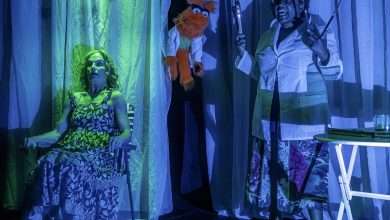
This year’s festival includes more than 100 short films and features from all around the world, spanning all genres and styles. In addition to a wide array of narrative and documentary films, programming includes special focus blocks dedicated to student films and animated shorts.
According to Charlotte Film Festival (CFF) programmer Taylor Montalto, the 2024 festival received 622 submissions, of which only 112 were accepted.
“That’s really one of the biggest struggles,” Montalto said, “there’s a lot of really great films, and I just can’t take them all.”
Those 112 films plus a handful of invited features and special presentations will fill the six-day festival’s calendar at IPH. While CFF remains smaller than your typical film festival in a major city, which can last up to a dozen days, Montalto is encouraged by this year’s record number of submissions, showing a path forward to expand the festival to additional days and screenings by adding new points of focus.

Montalto is also excited to feature a dedicated animated shorts block at this year’s festival, its second year including that on the schedule. Montalto added the block in 2023 after seeing the genre’s success at the Atlanta Film Festival, where she also works on the programming team.
This year, submissions for the animated block were open to the public, with selections and invited films announced thus far in 2024 including shorts from France, Israel, Thailand and the United States.
CFF’s tagline of “Discover Different” informs the decisions that Montalto and her team make in assembling the festival’s program. She has programmed two student film blocks this year with the goal of engaging young viewers and giving student filmmakers an opportunity to showcase their work to new viewers.
“The young voices are our future,” said Montalto, who added that she hopes these new blocks encourage young moviegoers to expand their horizons and become interested in independent film.
The late-night screenings on Fridays and Saturdays are where adventurous viewers can find strange and experimental work — and of course, a good bit of horror and thriller content. These blocks are a special draw for Montalto, who said they are where viewers will find “what Discover Different really means.”
Having already watched all the films as part of the selection process, Montalto still plans to be in the theater for many of the showings, especially during those late-night blocks.

“Being in the audience and seeing it all come together is wild,” she said, adding that she loves seeing the reactions of moviegoers ready to be challenged.
Montalto’s favorites overall, however, are the documentary shorts and features. This year’s documentary features include works from Canada and Ukraine in addition to American filmmakers.
“They’re all so unique,” she says, “incredible and empowering true stories.”
She said she hopes that attendees take special note of these features as she would love to see more attention paid to the documentary category.
While taking in the multitude of options at a film festival can be daunting to new moviegoers, Montalto and the programming team have worked to make CFF accessible to everyone. She suggested that anyone interested start with the curated blocks of short films.
“It’s such a wide array of seven to 10 shorts in a block that are all different stories, but thematically stitched together.”
Assembling the short-film blocks for each year’s festival is like making movies on an abstract level — the team considers the pacing and intensity of each short just like each of the filmmakers did when they assembled the shots of their films. Each block has its own theme, and the festival team has built out rundowns of each block that folks can view at the festival’s website.
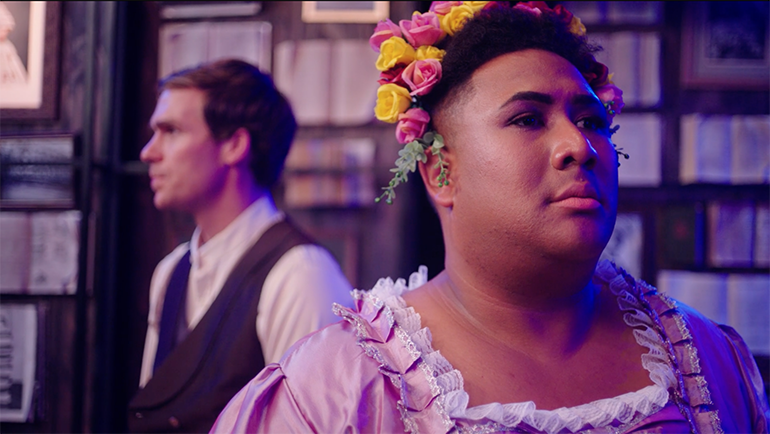
Additionally, CFF attendees will receive paper programs, a rarity in today’s festival circuit. Montalto believes the paper program is an important part of the festival experience, not just for attendees but for filmmakers as well.
“You attended this, your film is on paper,” she said. “Filmmakers appreciate that.”
Montalto started working with CFF in 2016 as a volunteer, then moved into a programming coordinator position before taking on the reigns as the programming director in advance of the fully virtual 2020 edition.
Having played at multiple venues over the years, with the opening of the Independent Picture House in 2022, the Charlotte Film Festival found its permanent home. Now in its third year at IPH, Montalto and the CFF team are eager to enrich the festival.
Read more: Manor Theatre Closure Opened the Opportunity For NoDa Art House (2020)
The planned addition of a fourth auditorium to the IPH facilities on Raleigh Street, set to be its largest, will give next year’s festival room to add more interactive elements to screenings. For example, the new auditorium’s flexibility will allow for more interviews and Q&A sessions with featured filmmakers.
Ivana Woodcock, IPH’s marketing coordinator, sees this as one of the biggest benefits of the festival.
“You never know who’s in the audience,” she said about the sessions. “Maybe someone who gets inspired to make something themselves.”
CFF’s growth over its three years at IPH, with 2024 marking the second consecutive year that Montalto’s team received a record number of submissions, has Woodcock excited for the future. Each year has also seen new boosts in attendance, bringing new eyes to independent cinema.
“Having a home [for the festival] makes so much of a difference,” she says.
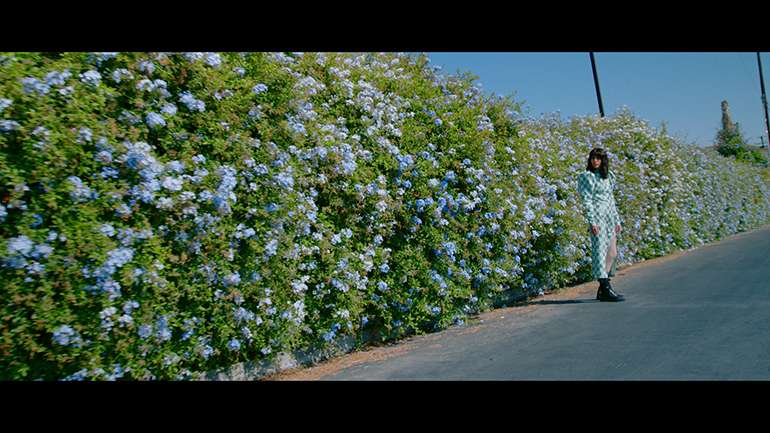
Each year, new festival attendees learn about what IPH does, making them more likely to come in for regular screenings and help grow the independent film community in the region.
Woodcock has also worked to engage the local NoDa community in this year’s festival week with a special Flicks & Bites program that offers discounts from local businesses during the festival. She hopes the program gives out-of-town attendees more of a reason to explore the surrounding neighborhood while also engaging more NoDa neighbors.
With The Pass, a sprawling multi-use development going up that will include several new restaurants in walking distance of IPH, set to open later this year, Woodcock believes the future for independent film in Charlotte, and the Charlotte Film Festival specifically, is bright.
“Next year is going to be awesome,” she said.
Before they can look too far ahead, however, the team must run a successful CFF in 2024, which they appear well prepared to do. Montalto will be ready, she just has one wish for this year’s festival: “I hope we pack the theaters.”
The Charlotte Film Festival runs from Sept. 24-29 at the Independent Picture House, located at 4237 Raleigh St.