How to Start a Garden in Charlotte on a Tight Budget (With Pro‑Approved Beginner Plants)
Use this budget‑minded guide — and a pro designer’s plant list — to build a low‑maintenance garden you’ll still love in 10 years.

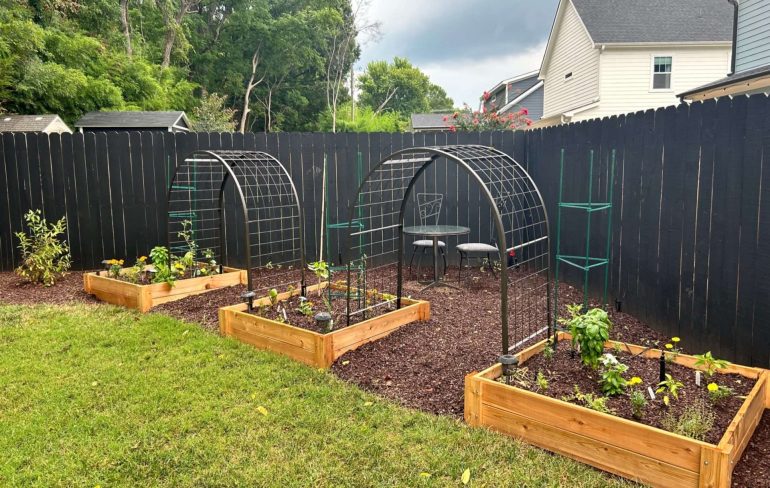
I am known to be incredibly cheap. When I first became interested in gardening, the sheer amount of information and upfront costs overwhelmed me so much that I put off planting for months.
While gardening is a hobby that can easily become expensive if done with intention, I was less concerned with the long-term sustainability of my garden and more so with the initial investment.
I have since overcome my original anxiety to build a rather substantial garden, keeping a rewarding hobby on a modest budget over the last five years. So I’m here to share my tips for economically strapped beginners who would like to do the same.
Build raised beds and containers with what you already have
Raised garden beds are a fantastic way to create a space-saving garden oasis. While most raised garden beds are made of metal or cedar and are built to last, the price tag can range from $50 to the high $300s.
This may not seem like a lot to some, but it simply wasn’t doable for me at the time.
Instead, I built all four of my raised garden beds with materials I found around my lawn. The first I made with some bricks I dug up in my backyard. Another with medium-sized branches that I cut up and staked closely together into the ground to create a wall of sticks.
My personal favorite was the large keyhole-shaped wattle garden bed that I made by driving down foundation stakes every 2 feet and interweaving long, pliable branches to construct a woven structure.
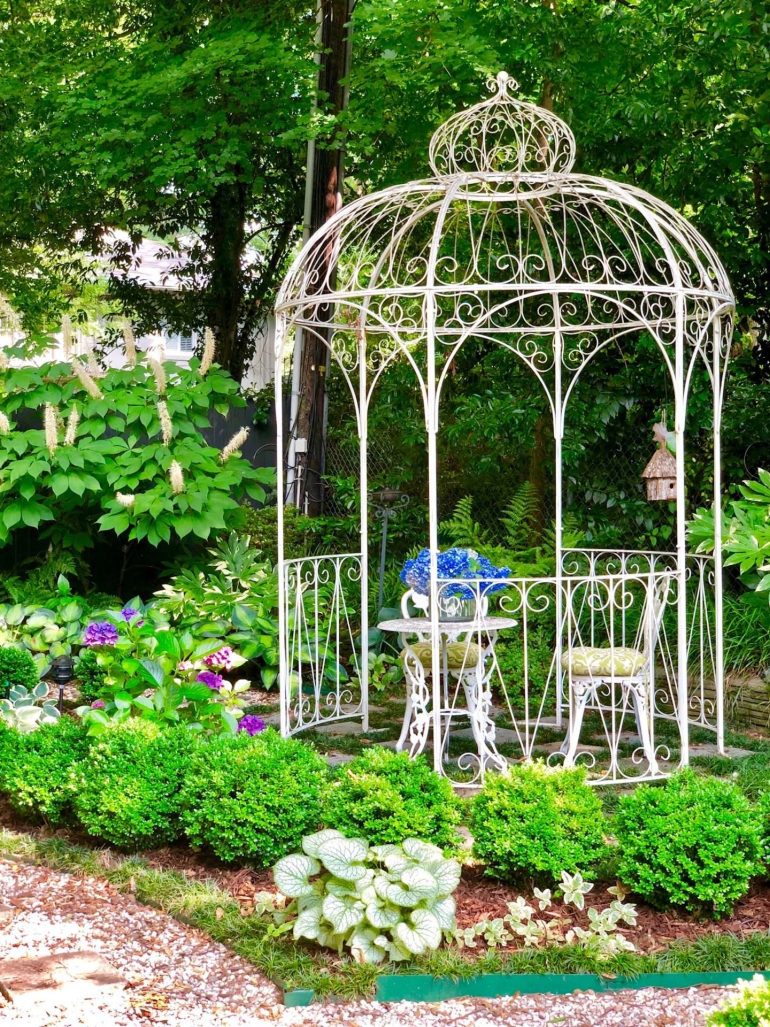
Typically, you want your raised garden bed to have a depth of at least 12 inches to allow your plants’ respective root systems room to grow. This doesn’t mean you have to blow your entire budget on soil to fill the whole thing; I line the bottom of my raised beds with large logs, sprinkle in a thick layer of dried leaves and top it off with about 6 inches of soil.
I don’t buy my soil, either; I usually use a mixture of homemade compost, horse manure that I get for free at a local equestrian center, perlite, peat moss and worm castings. Those last three are the only materials I’m willing to buy.
My favorite method of growing is square foot gardening, known as the SFG method, which maximizes your growing space by planting specific quantities of each crop per square foot.
If you don’t have the space for raised beds, you can also opt for container gardening. Most nurseries have more empty plastic containers than they know what to do with and won’t mind if you ask to take a few off their hands for free.
Container-friendly vegetables like strawberries, tomatoes and most herbs will thrive as long as they have enough space for their roots to grow.
Plan your garden around your lifestyle, not trends
The Old Farmers Almanac is an amazing resource and will become your Bible for the first few months. It allows you to input your address so as to provide a comprehensive planting calendar and guide, informing you of specific dates to plant your seeds and what will no longer grow based on the date you search.
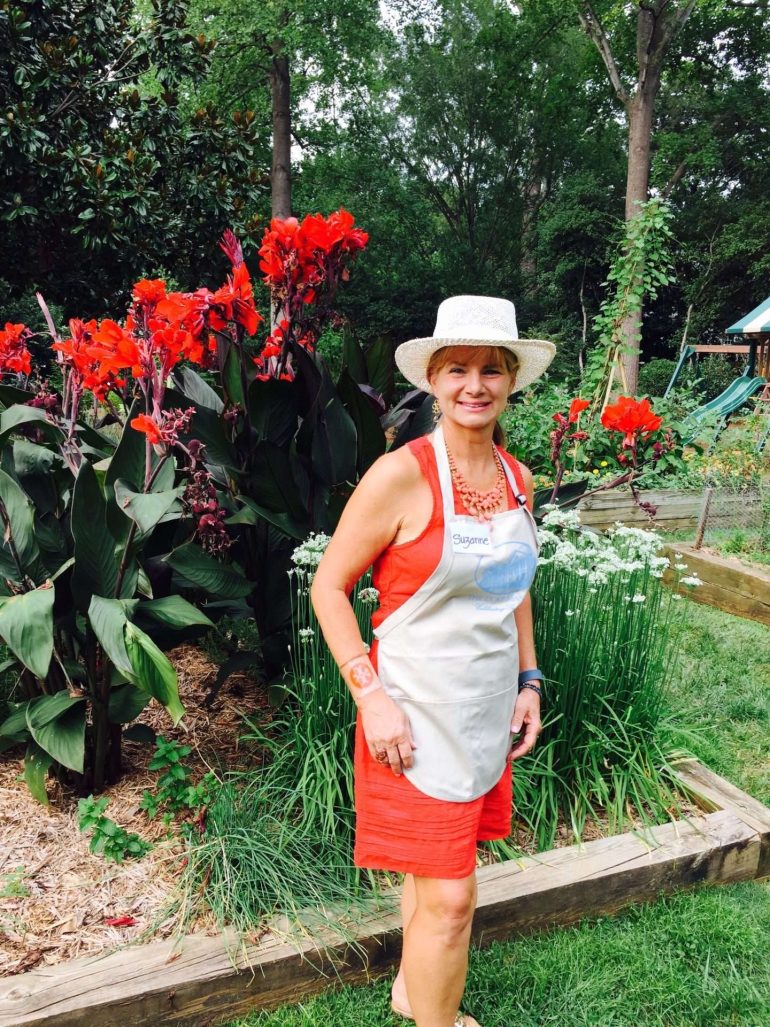
While my advice isn’t groundbreaking and is based solely on anecdotal experience, I had the opportunity to talk with garden design specialist Suzanne Wilkerson, owner of Ambiance Garden Design, to get some professional advice for gardening beginners.
When folks are imagining their garden design, they need to back up and consider what experience they want from their garden, Wilkerson said.
“People start off with, ‘What do I like? What do I dislike? What’s right, what’s wrong? What’s in vogue?’” she said. “Those are really all the wrong ways to start.”
Having a garden is like getting a puppy, Wilkerson explained. You go to a pound and select an adorable little puppy, bring it home to your studio apartment and, before you know it, the little puppy becomes a Great Dane.
“You have to size your garden to your lifestyle,” she said. “At the end of the day, what you really want is to enjoy your space, enjoy it in alignment with your lifestyle … You love it until it becomes your every-weekend job and then you don’t love it anymore.”
This means taking time to consider the space you have, the function it’s meant to serve and the time you’re willing to commit to maintaining it.
Ask the right questions and invest in long‑lasting plants and planters
There are some simple questions that aspiring gardeners should ask themselves, according to Wilkerson.
Do you have a large backyard that you enjoy with your children? Then make sure to balance ornamental plants or hardscapes with interactive space. Do you live in an apartment with a small balcony? Select compact plants with low flower drop for less clean-up time.
Considering the longevity of your garden can also save you time and money in the long run. Wilkerson prefers to offer her clients “investment quality plants” that will last from 10 to 100 years and provide the owner with a long bloom season.
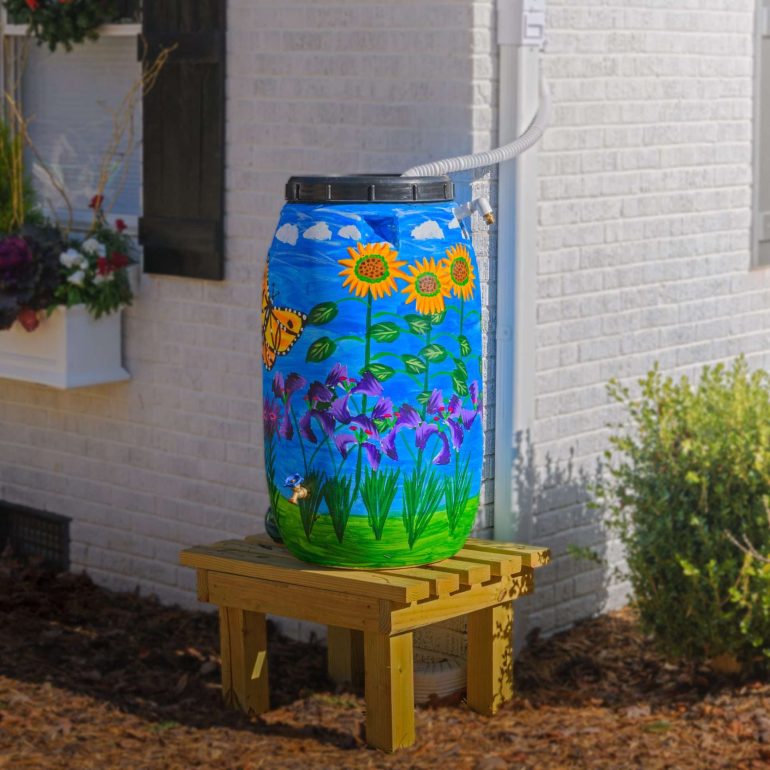
She also accounts for the longevity of the planter itself. While big box stores sell beautiful but expensive planters that won’t last more than two years, local outdoor shops like Pineville’s Crescent Garden Company’s planters come with a 10-year warranty and offer self-watering planters that can go weeks without manual watering.
While these considerations are valuable, most beginner gardeners are eager to get their hands dirty and want to know what plants are hot and what are not.
“When I talk about beginner gardening, I really look for simple things that are not invasive, that are easy to maintain [and] that are semi drought resistant,” Wilkerson said (see guide below).
“Everything I do in a garden is going to be planted with function, with the idea of disease reduction, with reducing the amount of effort that someone has to put in,” Wilkerson said.
“I always want it to be esthetically beautiful, but I also want all of the work that we do and that I do personally,” she continued, “to be highly functional, to really give people that winning experience so that they never hate their garden, they always love their nature experience, their garden experience, their growing experience.”
Beginner‑friendly plants to grow (and what to avoid) from Suzanne Wilkerson
Paniculata Hydrangea: A full-sun plant (six plus hours of direct sunlight daily) that can grow 3 to 4 feet tall. Low maintenance and low disease. Multiple flower blooms from mid-June into the frost. Best to mix with an “evergreen” plant like gardenias.
Boxwood: An evergreen shrub that has been hybridized to reduce disease. Grows very well with gypsum in partial shade (three to six hours of direct sun).
Camellias: Sasanqua camellias grow well in full sun while japonica camellias need partial shade.
Beauty Berry: A type of shrub that can grow 5 to 8 feet tall in full sun to part shade. Great for hoisting butterflies and produces purple and white berries for wildlife to feed on.
Azaleas: An all-time standard in evergreens that thrive in partial shade. Depending on which hybridized breed you select the flowers will bloom in the spring and last eight to 10 weeks.
Baptisia: A drought proof native plant that comes in a variety of colors. Baptisias can live 20 to 40 years and are excellent pollinator plants.
Cardinal Flower: Can tolerate full sun or partial shade to put off vibrant red or indigo flowers. Will attract pollinators like hummingbirds.
Black-Eyed Susan: A quintessential native plant that is low maintenance, drought tolerant and highly resilient to North Carolina summers. Grows best in full sun.
Millenium Onion: An ornamental onion variety that repels unwanted wildlife like deer or squirrels. Puts off a pinkish-purple bloom and thrives in full sun to partial shade.
Coreopsis: A full sun-loving plant with a long bloom period and comes in a variety of colors.
Daylily: A classic beauty that is drought tolerant and likes full sun to partial shade. While typical daylilies have short bloom periods, certain hybridized versions will bloom all summer long — ask your local nursery for a rebloomer daylily hybrid.
Butterfly Bush: Attracts its namesake and thrives in full sun. Wilkerson warns against getting the native or standard butterfly bush, instead suggesting a hybridized version that will grow only three to four feet tall and bloom all summer.
Floribunda and Tea Roses: Highly disease resistant shrub rose varieties that require full sun. Most rose varieties benefit from companion plants like catmint and produce beautiful blooms when planted on top of a banana.
If you prefer your plants edible, Wilkerson suggests growing blueberry bushes (you’ll need at least three to ensure successful cross-pollination, as they’re known to be “tri-pollinators”) or brown turkey figs.
Along with her list of favorites, Wilkerson provided a list of plants that people should “absolutely avoid,” listed here:
Knockout Roses: Extremely disease-ridden. The common rosette disease will prohibit you from planting another plant in the rose category for another six years until the disease leaves the soil.
Nandinas: The berries produced by the nandina category are poisonous to birds.
Loropetalum (aka Chinese Fringe Flower): Can grow up to 15 feet tall and take over your yard. If you do buy a loropetalum, make sure to get the ultimate dwarf breed for easy maintenance.
Any vine is forbidden by Wilkerson except for the Deciduous Clematis vine with 5 to 8 inches of flower diameters. After this vine has finished blooming you can cut it down to 4 inches and that same vine will rebloom up to three times in a single summer.
Read more: Jay Sifford of Sifford Garden Design Shares Tips for Charlotte Yards