Badin Lake’s Forgotten History Includes a Missing WWII Bomber
A missing airplane is just one of many forgotten stories surrounding NC’s historic Badin Lake.

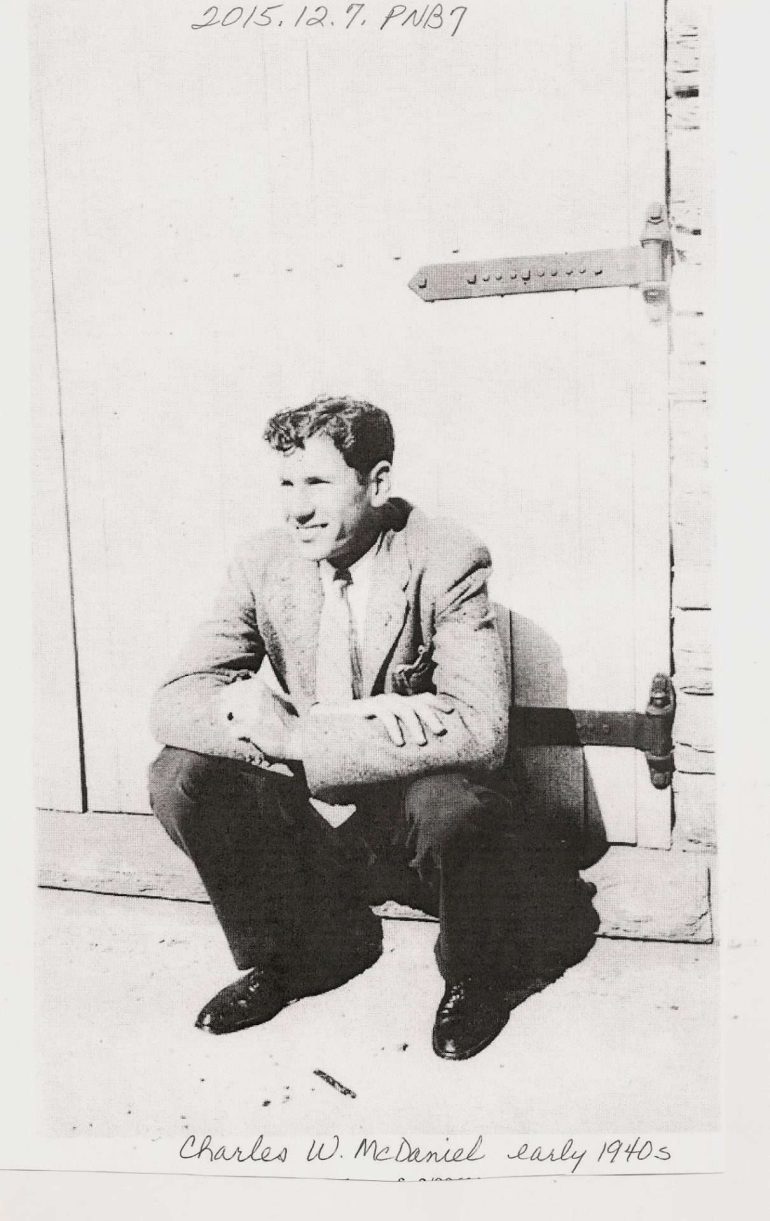
On June 8, 1944, Mary Elizabeth McDaniel rushed out of her home in Palmerville, near Badin Lake’s southern shore, and searched the sky. It was two days after the historic D-Day invasion of Normandy and Mary Elizabeth was looking for her husband, Second Lt. Charles McDaniel, US Marine Corps, whom she had married just seven months prior.
Shortly after noon, the sea blue, twin-engine, twin-tailed PBJ-1 bomber piloted by her husband, flew overhead.
“He was going from Charlotte to Cherry Point on the [North Carolina] coast, and he told [Mary Elizabeth] he would fly over and dip his wings … to say goodbye,” says Martha Garber, treasurer of the Badin Historic Museum.
Charles was supposed to circle three times before continuing on his mission. After the bomber passed twice, however, witnesses heard a mighty roar followed by an explosion. Mary Elizabeth never saw her husband again — alive or dead.
The Badin Bomber, as the PBJ-1 became known, is a part of the rich folklore of Badin Lake, a popular recreational spot amid the Uwharrie National Forest. In addition to the Badin Bomber, local lore includes one of the oldest sites in the southeastern US for early Americans and buildings dating back to Badin’s founding in 1913.
“We have a lot of history for such a small town,” says Garber, a Badin native.
The fate of the Badin Bomber
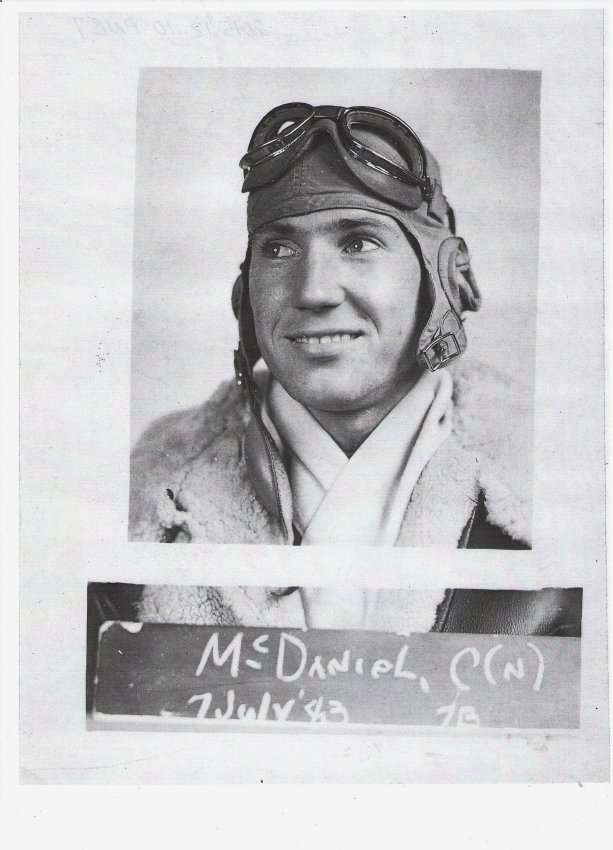
The PBJ-1, flown by McDaniel and copilot ensign John P. Withrow of the US Navy Reserve, was the Marine Corps’ heavily armed modification of a B-25 Mitchell bomber, writes Badin Historic Museum vice president Debrah Lovan on the museum’s website.
McDaniel and Withrow were ferrying the brand-new plane from an Ohio factory to Cherry Point. On June 7, they ran into bad weather and landed at Morris Field in Charlotte. McDaniel took a bus to visit his wife in Palmerville and on the following morning returned to Charlotte to complete his mission.
An air pocket over Badin Lake may have forced the bomber’s wing to hit the water, causing the crash, but no one knows for sure.
“The military found the plane,” Garber says. “The water was about 150 feet deep and there was a lot of silt at the bottom.”
She adds that when the Alcoa company built the dam that created the Badin Lake in 1917, they didn’t clear any of the flora in the wooded areas. Trees, some as tall as 50 feet, made diving conditions hazardous.
Read More: The History of the Catawba River’s Notable Fords and Crossings in Mecklenburg County
Instead, a joint Army/Navy salvage crew set dynamite charges to raise the bomber, but it didn’t work.
The aircraft was technically identified as being located after an acceptance form for the new plane was found floating in the water, but the wreckage has never been raised and the bodies of McDaniel and Withrow have never been found.
“[The museum] has a wheel that we think came from the plane,” Garber says. “From the serial number on the wheel, we’re pretty sure it is the right year.”
A local farmer had been using the PBJ-1 nose wheel for several years on his tractor. When a local history buff saw it, he bought it from the farmer for $20 and donated the artifact to the museum.
The secrets of the Hardaway Site and century-old French houses
The Badin Historic Museum hosts much more than artifacts from the ill-fated bomber. The museum complex at 60 Falls Road in Badin contains three buildings.
The main building houses the Hardaway Site exhibit. The Hardaway archaeological site, a national Historic Landmark protected within Morrow Mountain State Park, sits on a rocky ridge above Badin Lake. It is one of the oldest sites of human habitation in the southeastern U.S., going back 12,000 to 14,000 years.
The project has yielded ancient spear heads and tool points, many of which are on display at the museum.
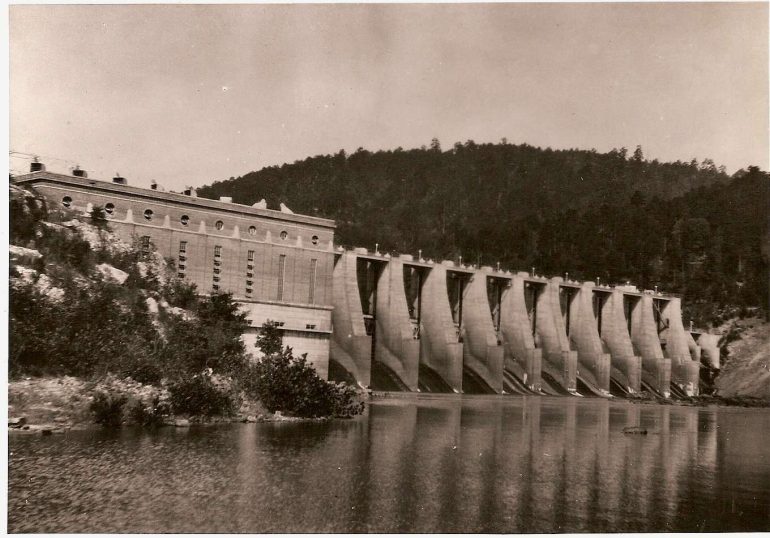
The Badin Historic Museum’s second building, the Firehouse Museum, houses early local fire fighting equipment, plus a photo history of Alcoa and the Narrows Dam that the company built.
Read More: A Contemporary History of the Catawba River Coal Ash Battle
The third building is a 1915 French quadruplex apartment built for four families of workers for L’Aluminium Français/Southern Aluminum Company. The French company began building a dam along the Yadkin River Narrows to power an aluminum plant, plus a town for the workers named after company president Adrien Badin.
With the outbreak of World War I in 1914, the French returned home and Aluminum Company of America [later renamed Alcoa] acquired the French company’s holdings. They finished building the dam, the town and the aluminum plant.
While Badin Historic Museum celebrates all of the small town’s rich and varied history, Garber says the Badin Bomber remains an enduring mystery as well as a heartbreaking tragedy.
“The bride was standing on the lakeshore, watching her husband fly overhead when he crashed,” says Garber, identifying the bittersweet indelible image left by a personal tragedy in the midst of wartime.
Mary Elizabeth later moved to Charlotte and remarried, but that union ended in divorce, writes author Robyn Yiğit Smith in a story about the bomber and its emotional aftershocks for Our State Magazine. Perhaps Charles remained Mary Elizabeth’s one true love for the rest of her life.
Mary Elizabeth is buried in a small cemetery less than 4 miles from the Badin Historic Museum. Next to her headstone is one for Charles, marking a grave that remains empty to this day.